
Pool Resurfacing vs Replastering: What Los Angeles Homeowners Should Know
You can usually tell when a pool is starting to get tired.
It is not always one big thing. Sometimes it is just the way the surface feels when you step in. A little rougher than it used to be. Maybe the steps look stained even after you brush them. Maybe the water is clean, but the pool still looks kind of dull. Or maybe the tile and edge around the pool are starting to make the whole backyard feel older than it really is.
A lot of Los Angeles homeowners get to this point and think the same thing.
Does this pool need resurfacing, or does it need replastering?
And to be honest, that question makes sense because people use those words back and forth all the time. Some companies say resurfacing. Some say replastering. Some use both in the same sentence. So if you are not sure which one your pool needs, you are not behind. Most homeowners are not sure either until someone takes a closer look.
Let’s talk through it in a simple way.
The Difference Is Actually Pretty Simple
Pool resurfacing is the bigger term.
It means the inside surface of the pool is being renewed. That could mean plaster, pebble, quartz, or another finish.
Pool replastering is more specific.
It means the old plaster surface is being replaced with new plaster.
So replastering is a type of resurfacing, but resurfacing is not always replastering.
That sounds like a small detail, but it matters when you are choosing the look, feel, and budget for the project.
If your pool has old plaster and you want fresh plaster again, replastering may be the right fit. If your pool has old plaster and you are thinking about a pebble or quartz finish instead, then resurfacing is the better word for the bigger conversation.
For most homeowners, Pool Resurfacing in Los Angeles is the best place to start because it lets you look at all the options before deciding.
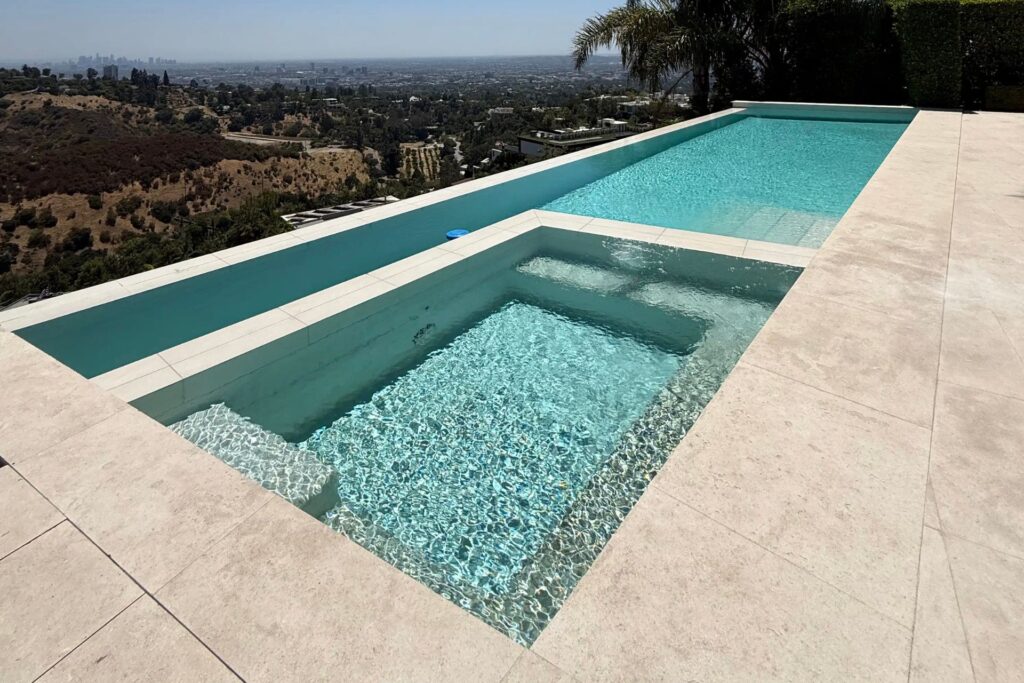
Why Pools Start Feeling Rough Over Time
Pools do a lot of work.
They sit in the sun all year. They deal with chemicals, water movement, brushing, cleaning, swimmers, heat, and age. Even a well cared for pool will not feel brand new forever.
At first, the changes are small.
You notice a rough patch by the steps.
Then a stained area near the deep end.
Then the walls do not feel as smooth.
Then the pool looks older even after it has been cleaned.
That is usually the point where homeowners start wondering if cleaning is enough. Sometimes it is. But if the finish itself is worn down, cleaning can only do so much.
A worn surface can make the pool harder to keep looking fresh. It can also make swimming less comfortable. Nobody wants to step into a pool and feel scratchy plaster under their feet.
That is one of the clearest signs that the surface may need attention.
When Replastering Makes Sense
Replastering is usually a good option when the pool is still in decent shape and the main problem is the plaster.
Maybe the layout still works.
Maybe the tile is not perfect, but it is not falling apart.
Maybe the deck is still usable.
Maybe the equipment is doing fine.
The real issue is that the pool surface feels old, rough, stained, or worn.
In that case, new plaster can make a big difference.
It can make the pool feel smoother. It can brighten the look. It can give the water a cleaner appearance. It can make the pool feel comfortable again without turning the whole backyard into a major construction project.
That is why Pool Plastering and Finishes in Los Angeles can be a smart choice for homeowners who want a clean refresh, not a full redesign.
But there is one thing to keep in mind.
Fresh plaster will not hide everything else forever. If the tile is cracked or the coping is loose, those areas may stand out even more once the new plaster is done. So even if replastering is the main service, it is still worth looking at the whole pool edge before making a final decision.
When Resurfacing Makes More Sense
Resurfacing may be the better fit when you want more than new plaster.
Maybe you want the water color to look different. Maybe you want a more modern finish. Maybe you want something with more texture. Maybe you are already updating the tile and coping, so you want the surface to match the new style.
That is when options like pebble or quartz come into the conversation.
A pebble finish can give the pool a more natural feel. It can make the water look deeper and more custom.
Quartz can give the pool a polished look with a little more personality than plain plaster.
Plaster can still be a great option too, especially if you like a clean and classic look.
The best finish depends on your pool, your backyard, and what you want the space to feel like. Some homeowners want simple and bright. Some want darker and more dramatic. Some want something that blends better with stone, decking, and landscaping.
This is why it helps to see finish samples and not just pick from a picture online. Pool finishes can look different in Los Angeles sunlight, especially once the pool is filled with water.
The Tile and Coping Conversation
This is where a lot of homeowners change their mind a little.
They start off thinking only about the pool surface. Then they look closer and realize the tile is old too. Or the coping is cracked. Or the edge around the pool just does not match the look they want anymore.
That does not mean every resurfacing project needs new tile and coping. Sometimes those areas are still in good shape.
But they should always be checked.
Waterline tile is a big part of how the pool looks. If the tile is faded, loose, or dated, it can make a fresh surface feel less complete.
Coping matters too. It is the edge around the pool. People sit on it, step near it, and see it every time they walk outside. If it is cracked, rough, uneven, or loose, it can affect both the look and the comfort of the pool.
For a lot of homeowners, adding Pool Tile and Coping in Los Angeles makes the finished project feel much more complete.
It is not about doing extra work just to do extra work. It is about making sure the pool does not look half updated when the job is done.
Do You Have to Replace the Pool Deck Too?
Not always.
If the deck is still in good shape, you may not need to touch it. But if it is cracked, faded, uneven, slippery, or just does not match the new direction, it is worth talking about.
A fresh pool surface can make an old deck look even older. That surprises people sometimes.
The pool gets updated, the water looks beautiful, the finish feels new, and then the concrete or decking around it suddenly looks tired.
In Los Angeles, pool decking also needs to feel good in the heat. Homeowners usually want something that looks nice, handles water well, and feels comfortable enough for bare feet.
If your goal is only to make the pool surface smooth again, decking may not be part of the project. But if your goal is to make the whole backyard feel better, then Pool Decking in Los Angeles should at least be part of the conversation.
Water Chemistry Can Wear Down a Pool Surface
This part is not exciting, but it matters.
A pool surface does not only age because of time. Water chemistry plays a role too. If the water stays out of balance for long periods, it can contribute to staining, scaling, roughness, and faster wear.
So even after resurfacing or replastering, the pool still needs proper care.
The CDC shares helpful guidance on healthy swimming and pool water safety, including the importance of proper disinfectant and pH levels. You can read more here.
A new surface gives the pool a fresh start, but good maintenance helps protect that investment.
Water Use Matters in Los Angeles
Since this is Los Angeles, water use is always part of the bigger picture.
A worn pool surface does not always mean the pool is wasting water, but resurfacing is a good time to check for problems. If there are leaks, old fittings, cracks, or equipment issues, those should be looked at before everything is finished up.
LADWP has helpful information for Los Angeles customers about water conservation and pool related water use. You can review it here.
Most homeowners just want their pool to work well and look good without being wasteful. Fixing surface damage, checking for leaks, and using a pool cover when it makes sense can all help.
Do Permits Come Into Play?
Sometimes yes. Sometimes no.
It depends on what is being done.
A simple surface refresh may be different from a project that involves plumbing, electrical work, structural repairs, equipment relocation, or larger design changes.
The Los Angeles Department of Building and Safety has information about swimming pool design and construction, which is useful for homeowners who want to understand local requirements. You can review it here.
This is one of those things that is better to ask about early. Nobody wants permit questions popping up halfway through the job.
A good contractor should be able to explain what may apply based on the actual scope of work.
Which Option Costs More?
Most of the time, regular replastering is more budget friendly than choosing an upgraded surface like pebble or quartz.
But the total cost still depends on the pool.
A smaller pool with heavy damage can sometimes need more prep than a larger pool in better shape. A basic replastering job can also grow if the tile, coping, or deck needs work.
So the better question is not always, “Which one is cheaper?”
The better question is, “Which one makes sense for this pool?”
If the pool only needs a clean new plaster surface, there may be no reason to overdo it. If the old surface is worn out and the homeowner wants a different look, resurfacing with another finish may be worth it.
A good estimate should explain both options clearly.
Which One Looks Better?
That depends on the homeowner.
Fresh plaster gives a clean, classic look. It is simple and bright.
Pebble feels more natural and textured. It can make the water color look deeper.
Quartz gives a polished look with a little more interest than regular plaster.
There is no one best finish for every pool. A finish should fit the home, the tile, the coping, the decking, the landscaping, and the way the backyard gets used.
That is why the best choice is usually made after looking at the whole space, not just the inside of the pool.
How Triton Pools and Spas Helps Homeowners Decide
Most homeowners do not need someone making the process more confusing.
They just need someone to look at the pool and tell them what is really going on.
Triton Pools and Spas helps Los Angeles homeowners figure out whether their pool needs replastering, resurfacing, or a larger remodel. Sometimes the answer is simple. Sometimes the pool needs a few other updates so the finished result actually feels complete.
The goal is to help you understand your options without feeling pushed.
What is worn out?
What can stay?
What should be replaced?
Which finish makes sense?
What will make the pool feel better when the work is done?
That kind of conversation makes the decision a lot easier.
You can learn more about Pool Resurfacing in Los Angeles, Pool Plastering and Finishes in Los Angeles, Pool Tile and Coping in Los Angeles, Pool Decking in Los Angeles, and Pool Remodeling in Los Angeles.
Frequently Asked Questions About Pool Resurfacing vs Replastering
Not exactly. Replastering is one type of resurfacing. Resurfacing means renewing the inside surface of the pool. Replastering means replacing old plaster with new plaster.
Your pool may need replastering if the surface feels rough, looks stained, has worn spots, or no longer feels comfortable when people swim.
Resurfacing may be the better choice if you want to look at options beyond regular plaster, such as pebble, quartz, or another upgraded finish.
Yes, sometimes. If the tile is still in good condition, it may not need to be replaced. If it is cracked, loose, faded, or dated, replacing it during resurfacing can make the pool look more finished.
It depends on the condition of the coping. If it is cracked, loose, uneven, sharp, or outdated, it is worth replacing while the pool is already being worked on.
It depends on the finish, water chemistry, maintenance, installation quality, and how often the pool is used. Every pool surface eventually reaches the point where it needs to be renewed.
Yes. Rough plaster can make swimming uncomfortable and may be a sign that the surface is wearing down. It can also make the pool harder to keep looking clean.
Ready to Find Out What Your Pool Actually Needs?
If your pool feels rough, looks stained, or just does not feel as fresh as it used to, you do not have to guess.
Triton Pools and Spas can take a closer look, explain the difference between resurfacing and replastering, and help you choose the option that makes the most sense for your Los Angeles pool.
Reach out today to schedule a pool surface consultation and start planning a smoother, cleaner, better looking pool.