
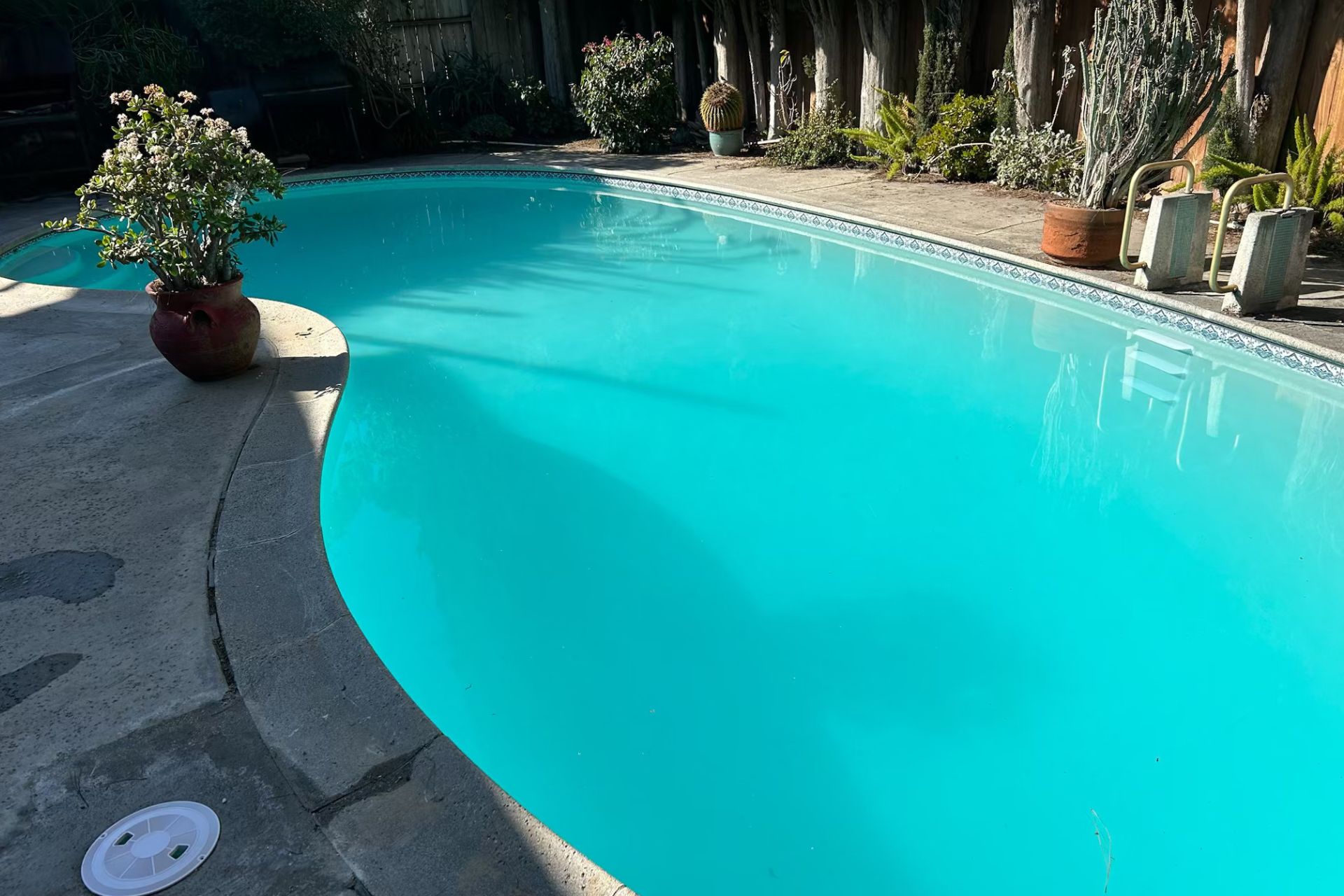
Sometimes the pool itself still looks pretty good.
It is the edge around the water that keeps catching your eye.
A few tiles have faded. One piece near the spa keeps coming loose. The coping by the steps has a crack that seems a little wider than it was last summer. Maybe the color simply feels dated now that other parts of the backyard have been updated.
None of it seems serious enough for a full pool remodel.
Still, you notice it every time you walk outside.
That is often when replacing the pool tile and coping starts to make sense.
Triton Pools & Spas helps Thousand Oaks homeowners update the worn parts around the water without changing everything they still like about their pool.
Sometimes one thoughtful update is enough to make the whole backyard feel cleaner again.
Style Meets Durability
Pool tile and coping are easy to forget about when they are doing their job.
The tile creates the finished border along the waterline. The coping covers the top edge of the pool, where people sit, hold on, and step in and out of the water.
Both areas take plenty of wear.
They sit in the sun year after year. They deal with water, chemicals, changing temperatures, wet towels, pool toys, and people walking around barefoot.
Eventually, grout wears down. Colors fade. Small cracks appear. A tile comes loose, then another one follows.
Sometimes the problem is limited to the material you can see.
Other times, loose tile or cracked coping is a sign that something underneath needs attention. That is why we look closely at the pool edge before installing anything new.
Our Pool Tile and Coping services include:
Waterline Tile
Waterline tile runs around the inside edge of the pool where the water meets the wall.
It helps protect that area while giving the pool a clean, finished border.
Over time, mineral buildup, sunlight, water, and pool chemicals can leave the tile looking dull or stained. Pieces may also chip, crack, or loosen.
Replacing the waterline tile can make the pool feel noticeably fresher without changing the deck, shape, or interior finish.
For some homeowners, it is the only update the pool really needs.
Glass Tile
Glass tile catches the light in a way that can make the waterline feel brighter and more interesting.
Some homeowners like a soft mix of colors that blends quietly into the pool. Others want a stronger shade that gives the backyard more personality.
Glass tile can be installed around the entire pool or used in smaller areas as an accent.
The right choice depends on whether you want the tile to stand out or simply add a little movement when the sun hits the water.
Porcelain Tile
Porcelain is a popular option because it offers plenty of styles without making the pool feel too busy.
It comes in simple colors, patterns, and finishes that can resemble natural stone or other materials.
Some homeowners want tile that becomes part of the design. Others want something quiet that works well with the coping, deck, and landscaping.
Porcelain can be a good fit for either approach.
Natural Stone Tile
Natural stone has a softer look because every piece is a little different.
The color, pattern, and texture may vary, which helps the pool feel more connected to the rest of the yard.
It often works well around Thousand Oaks homes with stone patios, mature landscaping, hillside surroundings, or other natural materials.
Not every type of stone is a good choice for pool use, though. We help homeowners compare how each material looks, how it should be cared for, and how it may hold up around water.
Travertine Coping
Travertine has a warm, natural appearance that fits many different backyard styles.
It is available in several shades, textures, and edge profiles, making it easier to coordinate with the pool finish and surrounding deck.
Many homeowners also like the way it feels around the water, especially when sitting along the edge or walking barefoot.
Travertine can make an older pool feel updated without making it look like it belongs to a completely different home.
Precast Coping
Precast coping gives the pool a clean and consistent edge.
The pieces are made in set shapes and sizes, which can help everything look neat and even once they are installed.
There are several colors, textures, and profiles available. Some feel more traditional, while others have a simpler, more updated appearance.
For homeowners who want a straightforward finish that works with many styles, precast coping is often a practical option.
Pour in Place Coping
Pour in place coping is shaped directly around the pool.
This can work well for pools with curves, unusual corners, or edges that are difficult to match with individual coping pieces.
It may also help create a smoother transition between the pool edge and a concrete deck.
The finished result can feel clean and continuous without drawing too much attention to the coping itself.
Bond Beam Repairs
The bond beam sits beneath the pool tile and coping.
Most homeowners never see it, but problems in this area can show up as loose coping, recurring cracks, or tile that keeps separating from the edge.
If the structure underneath is damaged, installing new materials over it will not solve the real problem.
We check the bond beam before the new tile and coping go in. When repairs are needed, we take care of them first so the new materials have a solid foundation.
The best tile is not always the one that looks nicest on a small sample.
It needs to work with everything already around the pool.
Glass may be a good choice if you want color and shine. Porcelain may make more sense if you prefer something simple and easy to coordinate. Natural stone may feel right when the backyard already has stonework, mature landscaping, or a more relaxed design.
We look at the tile beside the coping, pool finish, deck, and exterior of the home.
That usually makes the decision much easier than choosing one material by itself.
The timeline depends on the pool and what we find around the edge.
Replacing only the waterline tile is usually more straightforward than removing both the tile and coping, completing bond beam repairs, and installing new materials around the entire pool.
The size, shape, and condition of the pool also make a difference.
Once we inspect everything, we can explain what needs to happen and give you a more realistic idea of the schedule.
Yes.
If the coping, interior finish, and surrounding deck are still in good condition, replacing the waterline tile may be enough.
Before we move forward, we look at how the new tile will meet the materials that are staying.
The goal is for the new tile to feel like it belongs there, not like a bright new strip was added to a pool without considering everything around it.
Bond beam repair addresses damage beneath the tile and coping.
You may notice tile that keeps falling off, coping that feels loose, recurring cracks, or sections around the pool edge that no longer sit evenly.
Those issues may come from movement or deterioration below the surface.
When that happens, putting new tile over the same damaged area usually leads to the same problem later.
Repairing the bond beam first gives the new tile and coping a better place to sit.
Why Upgrade Your Pool Tile & Coping?
Most people do not replace tile and coping because they want a completely different pool.
They do it because the same little problems have been bothering them for too long.
The loose tile near the spa.
The cracked coping everyone steps around.
The rough edge that is uncomfortable to sit on.
The old color that no longer works with the rest of the yard.
New tile and coping can help:
- Make the pool look cleaner and more current
- Replace cracked, loose, or faded materials
- Create a smoother edge around the water
- Take care of hidden damage beneath the surface
- Help protect the structure around the pool
- Coordinate the pool with updated decking or landscaping
- Make the backyard feel more finished
overview :
We start by walking around the pool with you.
You can point out the tile that keeps coming loose, the coping that has cracked, or the color you have wanted to replace for years.
We also look beneath the visible problem to make sure nothing else needs attention.
From there, we help you compare materials that work with your Thousand Oaks home and the rest of the backyard.
Maybe you want simple porcelain tile with clean precast coping.
Maybe you like the shine of glass or the softer look of travertine and natural stone.
Once the materials are chosen, we remove the worn pieces, complete any necessary repairs, and install the new tile and coping.
The goal is not to make the pool look flashy or overdone.
It is to make the edge feel clean, solid, and right again.