
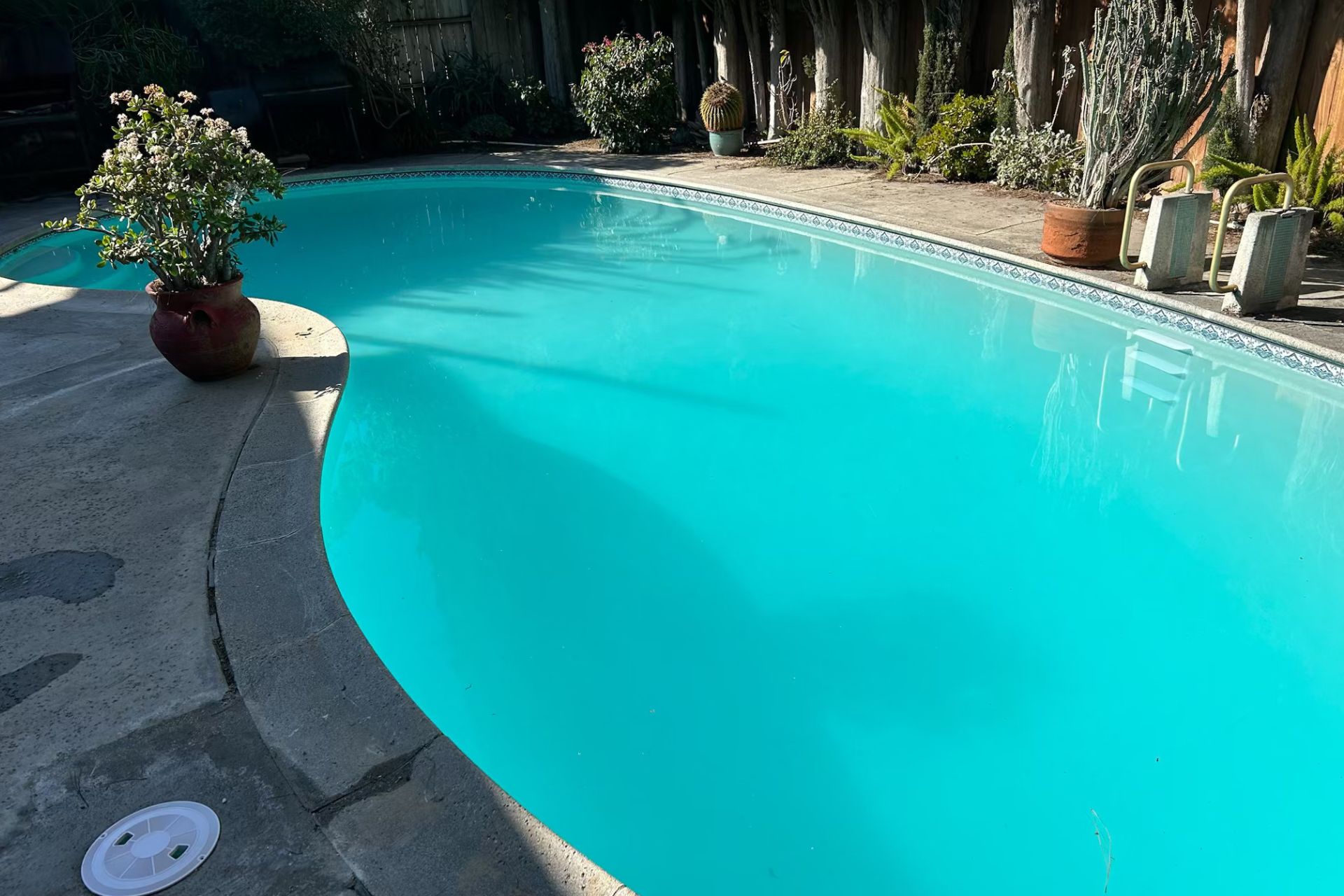
Sometimes the pool itself is still in good shape.
The water looks clear. The surface is holding up. The equipment is doing what it should.
It is the edge around the water that keeps bothering you.
A few tiles have lost their color. One piece near the steps keeps coming loose. The coping has a crack that everyone seems to step around. Maybe the tile looked good years ago, but now it feels out of place beside the newer patio or landscaping.
None of it seems serious enough for a complete pool remodel.
Still, you notice it every time you walk outside.
That is often when replacing the pool tile and coping starts to feel worthwhile.
Triton Pools & Spas helps Woodland homeowners update worn, cracked, or outdated materials around the pool without changing everything they still like about the backyard.
Sometimes a new edge is all the pool needs to feel cared for again.
Style Meets Durability
Pool tile and coping do more than finish the look of the pool.
The waterline tile creates the border where the water meets the wall. The coping covers the top edge of the pool, where people sit, hold on, and step in and out.
Both areas take a lot of wear.
They spend years in the sun. They are exposed to water, chemicals, changing temperatures, wet feet, pool toys, and furniture being moved around the deck.
Eventually, the grout starts wearing away. Colors fade. Small cracks appear. One tile comes loose, and before long, another one does too.
Sometimes the damage is only on the surface.
Other times, cracked coping or tile that keeps separating can point to a problem underneath. That is why we inspect the pool edge before installing new materials.
Our Pool Tile and Coping services include:
Waterline Tile
Waterline tile runs around the inside edge of the pool.
It protects the area where the water meets the wall and gives the pool a clean border.
Over time, minerals, sunlight, chemicals, and everyday use can leave the tile looking dull or stained. Grout may begin to break down, and individual pieces can crack or loosen.
Replacing the waterline tile can make a bigger difference than many homeowners expect.
The shape of the pool stays the same. The deck stays in place. But the whole pool suddenly looks cleaner and more current.
For some Woodland pools, that is the only update needed.
Glass Tile
Glass tile reflects light and can give the waterline more color and movement.
Some homeowners prefer soft shades that blend into the water. Others want a deeper blue, green, or mixed pattern that stands out more.
Glass tile can be used around the entire pool or added in smaller areas, such as a spa spillway or raised wall.
The right choice depends on how much attention you want the tile to draw.
A quiet color can add a little brightness without taking over the design. A stronger blend can become one of the first things people notice when they walk into the backyard.
Porcelain Tile
Porcelain tile is a popular choice because it comes in so many styles.
You can keep the design simple with one solid color or choose a pattern that adds a little more detail. Some porcelain tile also resembles natural stone without having the same variation from piece to piece.
It works well for homeowners who want the pool to feel updated without becoming too busy.
Some people want the tile to be part of the design.
Others want it to sit quietly between the water, coping, and deck.
Porcelain can work for either approach.
Natural Stone Tile
Natural stone has a softer, less uniform appearance.
Each piece may have a slightly different color, pattern, or texture. That variation can help the pool feel more connected to an established yard instead of looking overly new.
It often works well around Woodland homes with stone patios, mature trees, garden areas, or other natural materials.
Not every type of stone is suitable for constant exposure to pool water, though.
We help homeowners compare the appearance, maintenance needs, and durability of each option before choosing.
Travertine Coping
Travertine has a warm and natural look that works with many backyard styles.
It comes in different shades, textures, and edge shapes, which makes it easier to coordinate with the deck, tile, and pool finish.
Many homeowners also like the way it feels around the water.
It can create a comfortable place to sit along the edge and a more finished transition between the pool and the surrounding patio.
Travertine can update an older pool without making it feel like it belongs in a completely different backyard.
Precast Coping
Precast coping creates a clean and even border around the pool.
The pieces are manufactured in consistent shapes and sizes, which can help the finished edge look neat and balanced.
There are several profiles, textures, and colors available.
Some options have a more traditional rounded edge. Others feel straighter and more modern.
Precast coping is often a practical choice for homeowners who want something dependable that works with a wide range of pool and deck styles.
Pour in Place Coping
Pour in place coping is formed directly around the pool.
This can be helpful for pools with curves, unusual corners, or areas that would be difficult to match with individual pieces.
It can also create a more continuous transition between the pool edge and a concrete deck.
The finished look is often simple and smooth.
For homeowners who do not want the coping to stand out too much, this option can help the pool edge blend naturally into the surrounding space.
Bond Beam Repairs
The bond beam sits underneath the tile and coping.
Most homeowners never see it, but problems in this area can show up through repeated cracks, loose coping, or tile that keeps separating from the pool edge.
Replacing the visible materials without repairing the structure underneath usually means the same problem will come back.
We inspect the bond beam before new tile and coping are installed.
When repairs are needed, we handle those first so the new materials have a solid base.
The best tile is not always the one that looks nicest on a small sample.
It needs to work with the rest of the pool.
Glass may be right if you want color and shine. Porcelain may make more sense if you prefer a cleaner and simpler look. Natural stone may fit better when the yard already includes stonework, mature landscaping, or earth toned materials.
We look at the tile next to the coping, pool finish, deck, and exterior of the home.
That usually makes the decision much easier.
A tile can look beautiful by itself and still feel wrong once it is placed beside everything else.
The timeline depends on the size of the pool, the amount of material being replaced, and whether repairs are needed underneath.
A straightforward tile replacement may move fairly quickly.
A project involving coping removal, bond beam repairs, spa walls, raised features, or additional remodeling will take longer.
Weather and material availability can also affect the schedule.
Once we inspect the pool, we can explain what is involved and give you a clearer idea of how long the work may take.
Yes, in many cases.
If the coping, surface, and structure are still in good condition, the waterline tile may be replaced on its own.
This can be a good option when the tile is faded, stained, cracked, or simply no longer fits the backyard.
We still inspect the surrounding areas before recommending tile only.
That helps make sure the new material is being installed over a sound surface and that there is not a larger issue causing the old tile to loosen.
The bond beam forms the upper structural edge of the pool beneath the coping and tile.
Damage can happen over time because of movement, moisture, age, or problems around the deck.
Signs may include coping that rocks or separates, repeated cracks, or tile that continues coming loose in the same area.
When the bond beam is damaged, the weakened material needs to be removed and repaired before new coping or tile is installed.
The repair may not be the part of the project you see once everything is finished, but it is one of the most important parts to get right.
Why Upgrade Your Pool Tile & Coping?
Most homeowners are not replacing tile and coping because they want a completely different pool.
They are doing it because the same small problems have been bothering them for years.
The loose tile near the spa.
The cracked edge beside the steps.
The rough coping that is uncomfortable to sit on.
The color that no longer works with the patio.
New tile and coping can help:
- Make the pool look cleaner and more current
- Replace cracked, loose, or faded materials
- Create a smoother edge around the water
- Repair hidden damage beneath the surface
- Protect the upper structure of the pool
- Coordinate the pool with updated decking or landscaping
- Make the backyard feel more finished
overview
We begin by walking around the pool with you.
You can show us the tile that keeps coming loose, the coping that has cracked, or the color you have wanted to change for a long time.
We also look beneath the visible issue.
Sometimes the material is simply worn out. Other times, there is movement or damage underneath that needs to be repaired first.
Once we understand the condition of the pool edge, we help you compare materials that fit the Woodland property and the rest of the backyard.
You may prefer simple porcelain tile with clean precast coping.
You may like the brightness of glass or the warmer look of travertine and natural stone.
After the materials are selected, we remove the worn pieces, complete any necessary repairs, and install the new tile and coping.
The goal is not to make the pool look overly polished or completely different.
It is to make the edge feel clean, comfortable, and solid again.